




See how Just Jack helps home buyers and sellers across Greater Indianapolis with local insight, honest advice, rehab know-how, and practical real estate guidance.

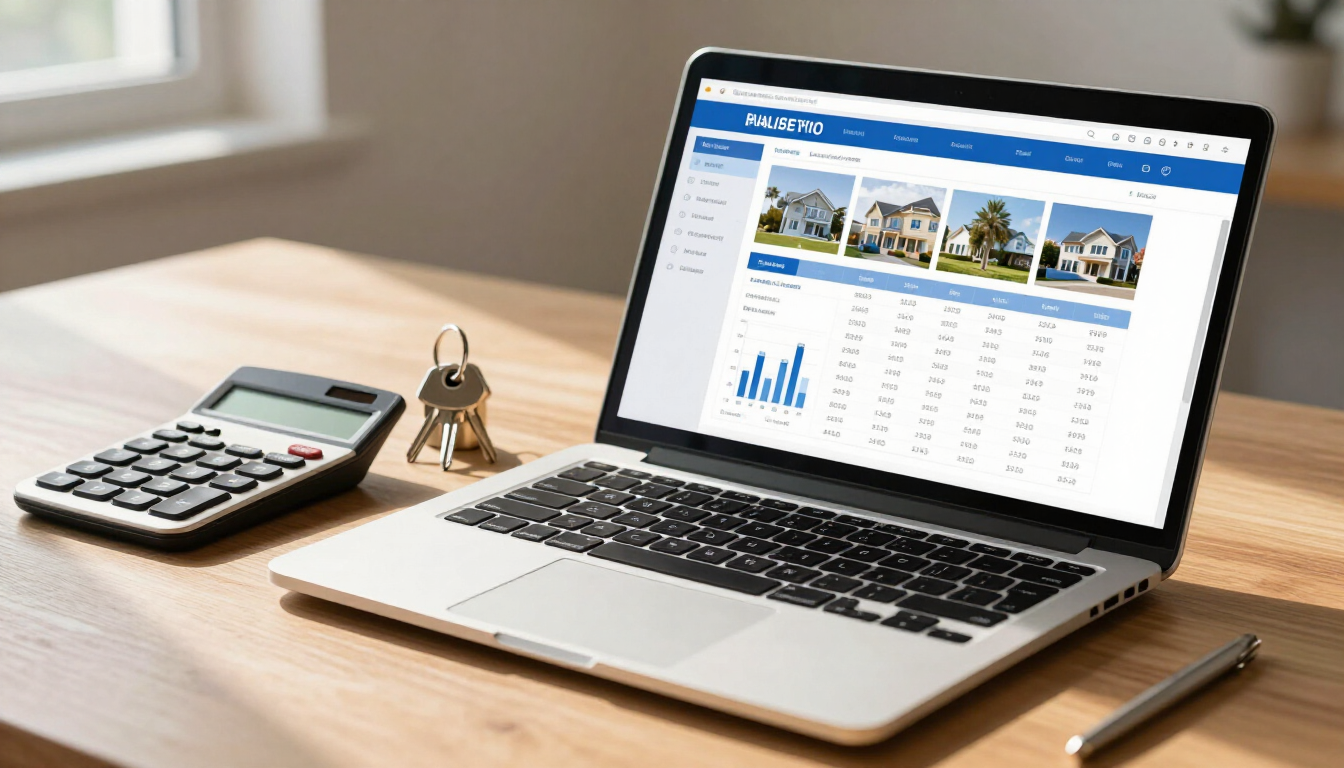
# Why DECIDING on a Home is More Important Than Scrolling Through Pictures. www.BuilderIQ.IN The home buying process can feel overwhelming, especially with the many listing apps available. Each seems to promise the same thing: scroll through homes and find your dream space. But is looking at pictures enough to find the right home? Or is there more to consider? Let's dive into how a new approach is changing home buying for those who want clear answers, not guesses. ## The Problem: Finding the Right Home Shouldn't Be This Hard Searching for a home is not just about beautiful photos or extravagant listings. While pictures capture the surface, they don't always show what’s lurking beneath. Many buyers feel lost and get mixed messages from various sources. They receive lots of information that doesn’t help them understand if they’re making a wise purchase. - Confusing Market – With so many listings, how do you know which home provides real value? - Hidden Costs – Unseen issues like worn-out roofs and outdated heating systems can spell trouble. - Wasted Time – Browsing without direction leads to stress and missed opportunities. This chaos can lead to making costly mistakes. Buyers want to know if a home is a smart buy or if problems are hidden behind attractive photos. Wouldn’t it be nice to have a tool that tells you more than what you see at first glance? ## The Agitation: The Shortcoming of Traditional Home Search Traditional apps focus on scrolling through listings rather than choosing a home that fits your needs. Updates and trends come at you fast, but having too much information with no context adds to the confusion rather than reducing it. - Lack of Insight – Pictures can be staged and may not reveal the home's true condition. What major repairs might be needed soon? - No Evaluation Metric for Buyers – While sellers have estimates, buyers lack a number that shows a home's true worth given its condition. - Missing Buyer-Friendly Features – Are there any builder incentives available? How do homes compare side-by-side on the important issues? People want more than pretty pictures, they need solid data about real costs and benefits, plus a way to manage their journey to completion without dropping the details. ## The Solution: Introducing BuilderIQ and IncentiScore BuilderIQ is here to change the home buying game. It goes beyond pictures and provides buyers the details they need to make informed decisions. This is more than a website; it's a smarter way to homeownership, designed to answer the tough questions: - IncentiScore – This AI-driven score evaluates homes on a scale from 1 to 100. It takes into account the age and condition of major home parts like the roof and windows. No more surprises after buying! - Comprehensive Insights – Breaks down factors like builder incentives, school ratings, and neighborhood benefits, making it clear if a home is truly worth it. - AI Transaction Coordination – With "TC In Your Pocket," buyers are never alone. Get reminders and organize documents so each step of the process is smooth. - Real-Time Feedback – BuilderIQ is always evolving based on real buyer experiences and fresh data straight from the source. BuilderIQ.IN aims for transparency; it provides real solutions, not just browsing capabilities. It shows new construction homes and quick move-ins with side-by-side comparisons so buyers understand their choices. ## A New Path to Better Home Buying With these tools, potential buyers no longer have to navigate the process blindfolded. They have their own number, and their own advantage, when looking at homes, thanks to AI-driven insights. Buyers can see the true costs and values that could save them from mistakes. - Understand What You're Buying – Know the condition of a home and what it really needs. - Better Evaluate Opportunities – Compare new constructions and existing homes fairly with clear data. - Keep the Journey on Track – With the AI tracking deadlines, it's easy to stay on top of the transaction. ## Conclusion: Change the Way You Look for Homes Greater Indianapolis home buyers and sellers are invited to join the BuilderIQ community. It’s time to move past just scrolling through endless photos and start picking homes with confidence and clarity. As BuilderIQ continues to grow, it's more than a tool, it's a partner in your journey. If clarity and informed decisions guide you through the home buying maze, then BuilderIQ and IncentiScore are the compass you've been searching for. The current Beta 1.5 version is always improving with transparency in updates and feedback loops, setting you up to rewrite the home buying process. Choose to see more than just the surface, find value beyond photos and make a move you'll feel great about. Welcome to a new era of home buying where buyers get straight answers and never feel left in the dark. I’m here to guide you through every step of buying, selling, or investing — start to finish. Just Jack Realtor | Investor | Wholesaler Trueblood Real Estate After 35 years of living and working in Fishers, I know this market inside and out. I’ve built a reputation for turning tough sales into smooth closings. Whether you’re a first-time buyer, seasoned seller, or investor, I bring honest advice, rehab know-how, and sharp local insight to every deal. Rooted in community and driven by results, I believe in doing business with integrity — and making it happen fast. 📍 Fishers, Indiana 🌐 www.JustJack.Realtor 📧 Jack@JustJack.Realtor 📞 317-341-2474

https://listings.justjack.realtor/idx/results/listings?idxID=c031&lp=200000&hp=800000&pt=1&a_propStatus%5B%5D=Active&woh=y

This is Navigating the real estate market can be overwhelming, especially when you're a buyer or seller who wants clear, straightforward answers. Many people wonder if the price of a house reflects its true value. In Greater Indianapolis, understanding how much a home is worth goes beyond the list price and photographs. Enter BuilderIQ, a tool set to launch in January 2026, which aims to change how home shoppers evaluate houses. ## Identifying the Problem In today's housing market, sellers and buyers face a slew of challenges. One of the biggest issues is the lack of clarity regarding the actual value of a home. Sellers can refer to estimates to get an idea of their home’s market price, but buyers often find themselves sifting through mountains of data with no certain value marker. This uncertainty leads to stress, confusion, and potentially costly mistakes. Having a reliable tool that provides a comprehensive assessment of both new and resale homes can make all the difference. ## The Agitation of Information Overload For busy clients, conflicting information and data overload can be paralyzing. They have to browse through countless listings and visit multiple websites, each presenting different aspects without offering a complete picture. This not only eats into their time but also their decision-making process. Without clear understanding, they risk overpaying for a property that may require additional hidden costs due to repairs or outdated systems. This is where BuilderIQ comes in as a much-needed breath of fresh air. It simplifies the complex task of evaluating homes by providing a more holistic view of each property's worth, not just its sticker price. ## The Solution: BuilderIQ's Comprehensive Approach ### All New Construction Companies and Active Communities BuilderIQ gives buyers a comprehensive view by allowing them to see all available options in one place. It includes: - New construction companies and various communities they are building. - Quick Move-In (QMI) homes and resale properties. - Full builder inventory not typically shown on other websites. This unified approach eliminates the need to hop from one platform to another, ensuring that you don't miss any critical opportunities within the Greater Indianapolis market. ### Side-by-Side Builder Promotions Understanding promotional offers from builders can be daunting. That's why BuilderIQ displays these aspects clearly: - Rate buydowns (2-1, 1-0, permanent). - Closing-cost credits. - Design-center allowances. - Price reductions and limited-time builder incentives. Buyers can easily compare these incentives next to homes' asking prices, ensuring that they see the full scope of value each home offers. ### Grading Scale for Home Conditions For both new and used homes, BuilderIQ provides a grading scale based on the age and condition of essential systems: - Roof, HVAC, windows, and appliances. - Overall upkeep and any visible wear. - Expected remaining lifespan of key components. - Likely future maintenance requirements. This grading eliminates surprises during the purchasing process. Buyers can now factor in potential repair costs to truly gauge a property’s worth. ### IncentiScore: Clarity in a Number Instead of just showing a price, BuilderIQ’s IncentiScore reflects: - Builder incentives and financing benefits. - Real monthly ownership costs based on interest rates. - The home's condition grade and maintenance risk. - Long-term ownership outlook. These elements are combined into a single, understandable number, making it simpler for buyers to decide on which home best suits their needs and budgets. ### Full House Evaluation Before Offers Thanks to AI technology, BuilderIQ assesses each house from inside to out within about 15 minutes: - Examines the roof, HVAC, windows, appliances, and more. - Considers age, manufacturer data, and possible lifespan. - Identifies where future costs might arise. Though not replacing a formal inspection, this process equips buyers with vital information before they proceed with an official offer. ### Realtor-Friendly Tool BuilderIQ isn’t meant to replace realtors. Instead, it complements their workflow by: - Enhancing buyer understanding. - Facilitating informed conversations. - Helping clients make decisions rooted in fact. This synergy helps keep the focus on genuine value without the noise of sales pressure. ## Looking Ahead: A Tool for Confident Decisions BuilderIQ is set to reshape how people in Greater Indianapolis shop for homes. By providing a detailed view of homes, new and used, along with detailed incentives and conditions, it takes away much of the guesswork in home buying. No longer will decisions rely solely on price. Instead, buyers can look at the overall value, guided by comprehensive data and intelligent grading. Why choose a home on just price when you can choose it based on true value? Because of this intelligent framework, buyers no longer have to browse blindly; they can understand exactly what they are investing in, ensuring their next home is truly worth it. BuilderIQ offers a new way to shop for homes, prioritizing clarity and confidence. As it becomes available in 2026, buyers will have the tools they need to make informed choices that align with their needs and budgets, paving the way for a smarter real estate market. I’m here to guide you through every step of buying, selling, or investing — start to finish. Just Jack Realtor | Investor | Wholesaler Trueblood Real Estate After 35 years of living and working in Fishers, I know this market inside and out. I’ve built a reputation for turning tough sales into smooth closings. Whether you’re a first-time buyer, seasoned seller, or investor, I bring honest advice, rehab know-how, and sharp local insight to every deal. Rooted in community and driven by results, I believe in doing business with integrity — and making it happen fast. 📍 Fishers, Indiana 🌐 www.JustJack.Realtor 📧 Jack@JustJack.Realtor 📞 317-341-2474a subtitle for your new post

What You Didn’t Ask / What They Didn’t Tell You You didn’t ask: “Can I negotiate more than just the price?” They didn’t tell you: Yes. Smart buyers also negotiate closing costs, home warranties, repairs, rate buydowns, and even appliances or furniture. The list price is just the beginning. The real savings often hide in the fine print. Just Jack – Trueblood Real Estate www.JustJack.Realtor 317-341-2474
Your Cheapest Option Could Be the Most Expensive

Selling Your Home: It’s About What’s Next, Not Just “Is Now the Right Time?” Most homeowners begin the conversation with a version of the same question: “Is now a good time to sell?” But that’s not always the most helpful place to start. Selling a home is rarely about timing the market perfectly. It’s about what comes next, and whether this move gets you closer to the life you’re building. Maybe you’re relocating for a new job. Maybe the house that once felt spacious is now too much to manage. Maybe you’re ready to trade suburban square footage for city convenience. Whatever your reason, selling is just one piece of a larger plan. That’s why the smarter place to begin isn’t with “Should I sell now?” It’s with: “What am I trying to move toward, and how do I get there?” The Sale Is How You Get There, Not Where You’re Going Selling your home is a milestone, but it’s rarely the end goal. For many people, it’s a bridge to a new chapter—one shaped by changing priorities, new opportunities, or a shift in what “home” needs to feel like. Some sellers are upsizing for more space. Others are downsizing to simplify. You might be relocating across the country, or just want to live closer to family, work, or walkable neighborhoods. Sometimes, it’s about unlocking equity to gain flexibility—financially or otherwise. These transitions can’t be boiled down to a Zestimate and a closing date. They deserve a plan that accounts for how you live now, what you want next, and what steps will get you there. Begin With the Bigger Picture Before diving into market stats or home prep checklists, clarify what this move is meant to do for you. If you’re buying something next, what does that home need to offer that your current one doesn’t? Are you hoping to get closer to a support system like parents or grandkids? Is this sale about freeing up resources so you can travel, invest, or reduce stress? The clearer the “why,” the easier it is to shape the “how.” Once your end goal is defined, we can plan backward—timing, pricing, prep, and positioning all structured around your next move. What the Market Won’t Tell You Headlines don’t sell homes—local buyer behavior does. The smarter plan is built on real-time, local information : What homes like yours are actually selling for—not just listing prices. Whether buyers are making strong offers quickly or waiting. What concessions they’re asking for. Which properties are standing out and which are overlooked. This isn’t about optimism or pessimism. It’s about setting expectations that reflect today’s realities so you can plan ahead with confidence. Timing Shapes the Strategy Advice about “the best time to sell” is everywhere. But the truth is: the right time is less about the market and more about your goals. New job in 60 days? That requires one strategy. Need equity from your sale to fund your purchase? Different approach. Buying in a hot market? You may need to buy before you sell—or consider temporary options. There’s no one-size-fits-all. The key is planning early enough to make thoughtful decisions, not rushed ones. You Don’t Need to Have All the Answers It’s normal to feel uncertain. You may not know where you want to move, or feel overwhelmed by logistics. That’s why it helps to start the conversation early. This isn’t about locking in a listing date. It’s about exploring: What your home could sell for What kind of timeline makes sense Which prep is actually worth it What the path forward might look like Whether your move is in 2 months or 12, you’ll be ready when it’s time. The Bottom Line Selling your home is a big decision, but it doesn’t have to be a stressful one. When it’s approached as part of a larger strategy, it becomes a tool for creating what’s next. If a move is even loosely on your radar, now is the right time to start the conversation. Let’s look at your goals, explore your options, and build a plan rooted in today’s market—so when you’re ready, you’re ready.

And you wont believe the 10's of thousands of dollars you will save. Just ask me how. What do you have to lose?

Let’s be real—divorce is hard. It’s emotional, complicated, and when your home is involved, it adds a whole other layer of stress. I’m Jack Crenshaw , but most folks around here know me as Just Jack —and if you're navigating a divorce and thinking about selling your home, I want you to know something up front: you don’t have to figure this out on your own. This is a major life change, but with a clear plan and the right support, we can tackle it—one step at a time.

💰 1. They Get Their Money Right Before They Fall in Love The house you want doesn’t care about your feelings — the seller wants to know you can pay. Get pre-approved , not just pre-qualified, before you start scrolling Zillow at midnight. 📋 2. They Know What They Want — and What They Don’t Successful buyers make a non-negotiable list and stick to it. If you hate stairs now, you’ll really hate them after moving boxes. ⚡ 3. They Move Fast but Don’t Rush In today’s market, hesitation kills deals. But making an offer without inspecting the bones? That kills your wallet. They act quickly and intelligently. 🤝 4. They Trust Their Agent (Me) You’ve got Google. I’ve got decades of experience, off-market access , and negotiation scars. Smart buyers let me do my job so they can do theirs — packing. 🏠 5. They Don’t Get Distracted by Pretty Granite counters can be replaced. The neighborhood can’t. Focus on location, layout, and resale potential — not the seller’s Joanna Gaines moment. 📈 6. They Play the Long Game A home is an investment and a lifestyle . They think about future needs, not just Instagram likes on move-in day. 😎 7. They Keep Their Cool in the Chaos Bidding wars, inspection drama, lender delays — I’ve seen it all. The best buyers let me handle the storm while they keep their eyes on the prize. 📲 Ready to become a Highly Successful Home Buyer? Call 317-341-2474 or visit www.JustJack.Realtor .
![Blue “Estate]” logo with house roof icon and website text “www.get.realestate”](https://irp.cdn-website.com/3591d5b4/dms3rep/multi/opt/DotRealEstate-URL-White-No+cursor+%281%29-1920w.png)